
A full archive of my best curry recipes , tips, and ingredient checklists to learn how to make authentic curry.
From spicy curries to mild curries, and meat curries to vegan curries, this guide and my recipes will take the guesswork out and show you how to elevate your curries to the next level with maximum flavor.

- Pantry staples checklist
- General tips for cooking curry
- How to choose a good store-bought curry powder
- Meat curries
- Vegan curries
- What to serve with curry
- Storage tips
If you’ve always wanted to cook authentic curry, learn the simple ingredients that make a great curry, and elevate your curries to a whole new level, I’ve got you!
After all, as a Sri Lankan growing up in South Asia, I only ate curries pretty much three times a day, every day of the year! Curry and rice was a staple for us, still is, and making a flavorful meat curry or vegetarian or vegan curry is not actually complicated.
And with these recipes and tips, I show you how to properly cook curry, and how to coax out maximum flavor from all your ingredients for the most delicious and comforting result. No bland and mushy curries.
These curry recipes are a fantastic way to transform your meat and veggies and incorporate them into your dinner rotation on a regular basis!

Pantry staples checklist
Remember that “curry” basically means a blend of spices . So, there are many different types of curry in different regions of the world, and some curries have specific names with specific spice blends.
There are some basic ingredients that you should have in your kitchen if you’d like to routinely cook curry. These pantry staples will absolutely help you to make great curries.
- Ready-made curry powder – A great way to simplify cooking curry. Garam masala Madras curry powder Sri Lankan unroasted curry powder Jaffna curry powder (for those who love a good spicy curry!)
- Coconut milk – Full fat coconut milk tastes better and adds more flavor, but you can use lite coconut milk if you prefer.
- Yogurt – Some curries call for yogurt as it adds a tangy flavor. Also great for curry dips.
- Neutral oil – Olive oil maybe healthy, but it adds a flavor too. A neutral oil such as vegetable oil or canola oil won’t overpower the inherent flavor of the curry. Coconut oil is a good alternative if the curry is made with coconut milk.
- Curry paste – Doesn’t last as long as curry powder, but can be more flavorful, as it includes fresh aromatics such as garlic, ginger, lemongrass etc. Thai curry paste – Red curry or green curry paste. Super versatile and can be used for more than making a basic curry. South Asian curry paste – You can find biryani curry paste, tandoori spice paste, and other spice pastes to make South Asian curries.
Spices and herbs you’ll need to make curry
Pre-ground spices are fine but ground spices lose their potency pretty quickly. Not good. However, whole spices seal in the potency for longer and can be stronger in flavor when freshly ground.
So, if you want to make your own homemade curry powder, OR your own curry base , here’s a list of spices and herbs you’ll need in your spice cabinet and fridge to make authentic curries.
- Coriander
- Cumin
- Black pepper
- Turmeric – Turmeric is a powerhouse of flavor and anti-oxidants. Some curries may not need it, but a mild curry will ALWAYS benefit from the flavor of turmeric.
- Cinnamon
- Cayenne pepper or Kashmiri chili powder – Chili powder like cayenne pepper is a must if you like spicy curries. Kashmiri chili powder is a good milder alternative that also adds more color to the curry.
- Cardamom (green and black cardamom)
- Cloves
- Mustard (brown mustard) – A must for tadka / tempering.
- Cilantro leaves / coriander leaves
- Methi (fenugreek)
You can make a mild, simple curry base just using coriander, cumin, and turmeric . Adding other spices in varying amounts will give you different flavor profiles!
Ingredients that can truly ELEVATE your curry
- Curry leaves – If you cant find fresh curry leaves, you can also buy dried or ground curry leaves.
- Screwpine leaves / Pandan – The flavor is incredible! You can buy this fresh or dried. You can even purchase colorless extract that you can use in certain recipes.
- Maldive fish – A Sri Lankan staple. This is dried fish flakes that are added to curries for an umami flavor WITHOUT the saltiness. You can use dashi powder or fish sauce instead too as substitutes.
- Asaofetida (hing) – AKA Indian MSG. Also helps with digestion, especially when cooking pulses and lentils.
- Saffron – A beautiful spice with a distinctive, floral flavor profile. Can quickly become overpowering, so shouldn’t use this with too many spices. It’s also expensive, but really worth it (in small amounts).
- Tamarind – Store-bought tamarind paste adds so much flavor to curries. You can also use it to make refreshing drinks.
- Lime – Lime juice brightens up many curries!

General tips for cooking curry
- Follow the recipe! There are many variations of “curry”, so there are many different ways to cook them too. Follow the specific recipe to achieve the intended flavor profile.
- If you want to try cooking authentic curry, LOOK for authenticity . Make sure the recipe creator understands the cuisine.
- Roasting spices makes such a difference! If the recipe calls for toasting or roasting spices, it’ll add complexity to the dish’s flavor.
- Blooming spices or spice pastes makes a difference too! Heating the spices / spice pastes with oil releases the flavors of the herbs and spices. Don’t skip this step.
- In Thai curries, cooking the paste in coconut milk until it splits is important! This blooms the spices in the coconut oil that separates AND changes the flavor of the coconut milk too. This also applies to other curries.
- Good spice blends and spice pastes are not expensive ! Go to a local Asian grocery store to find good quality mixes rather than bland supermarket brands.
- Taking shortcuts is absolutely OK. But, know that it’ll impact the flavor.
- Do not underestimate the flavor and effect of a tadka (tempering) in South Asian curries. I love tempering mustard, chili, and curry leaves, and adding it to different curries. It adds a lovely smoky quality to the curry.
1. Curry powder

How to choose a good store-bought curry powder
- Read the ingredients . On the ingredient label, the first ingredient is what’s predominant in the blend. The amounts of other spices decrease in the order they are listed. The first few listed ingredients should NOT be garlic powder or onion powder.
- Visit a South Asian grocer or any Asian store for good curry powder. If you enjoy international cuisine, support small / independent international grocery stores in your area.
- You don’t have to spend extra dollars on boutique curry powders ! The curry powder blends and pastes that are popular in your local South Asian grocery stores are most definitely what those communities use (and recommend) in their daily cooking.
Meat curries
Meat curries are the perfect canvas for deep, layered flavors, spices, and aromatics. These dishes have been comfort food for my husband and I for as long as we can remember.
I hope you’ll incorporate these in your dinner rotation too and enjoy these comforting flavors just as much as we do!
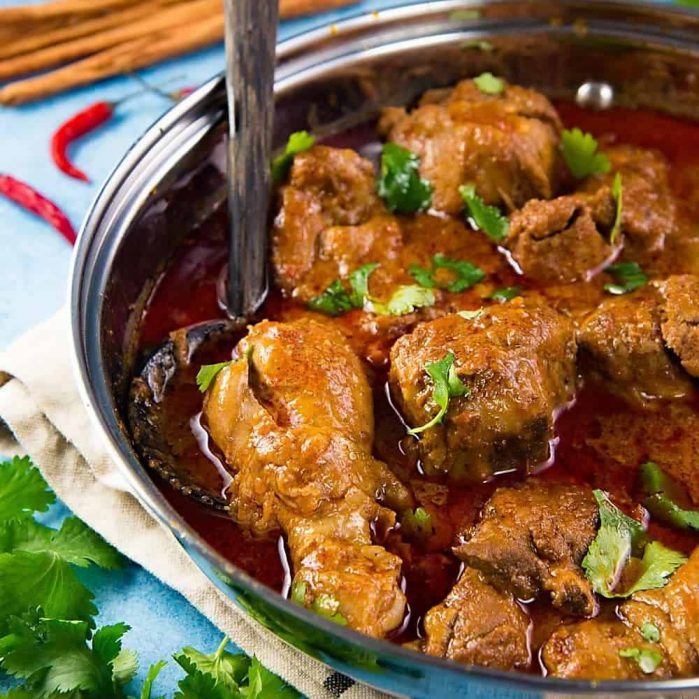
2. Chicken curry
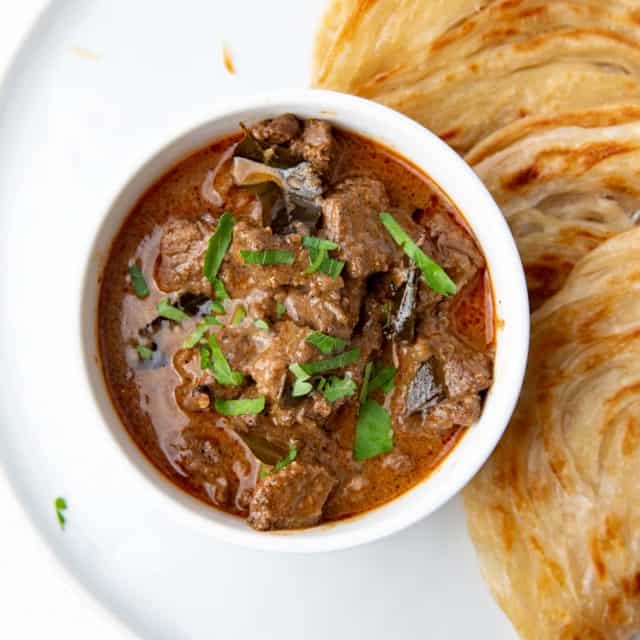
3. Beef curry
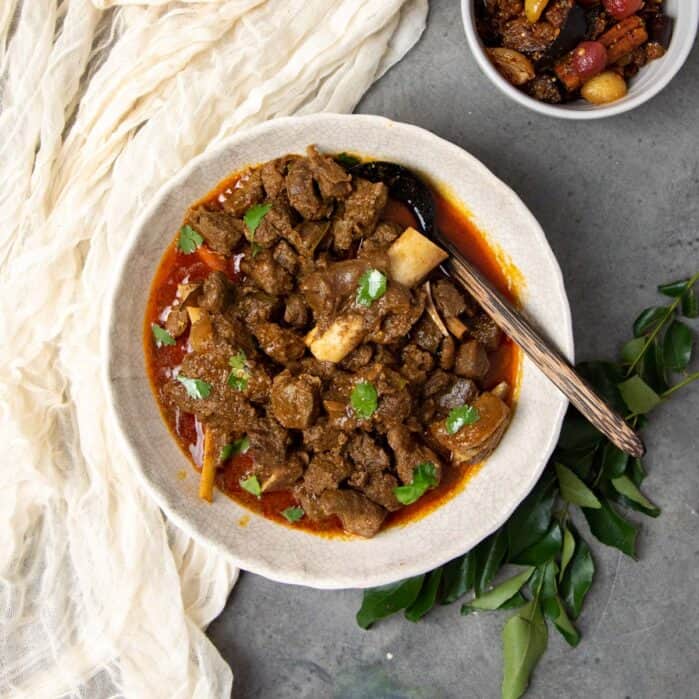
4. Mutton curry (lamb curry)
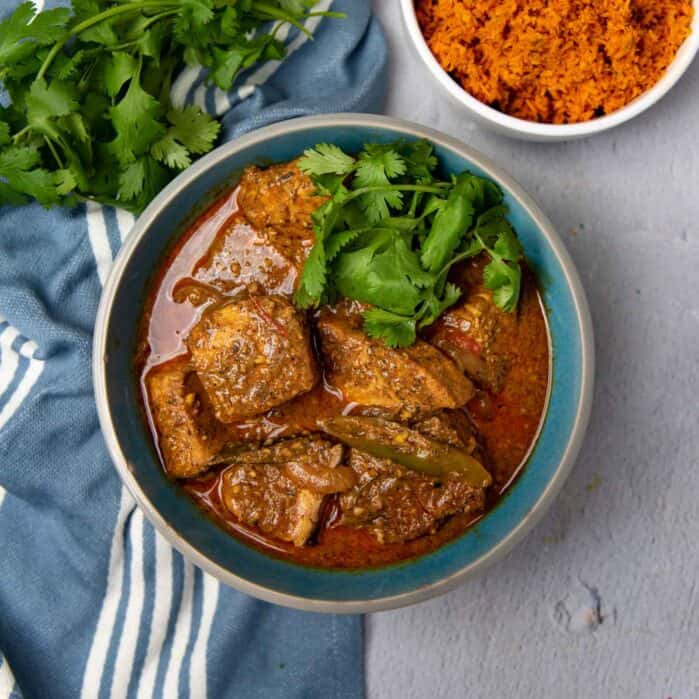
5. Fish curry
6. Thai beef green curry

7. Thai green curry roast chicken
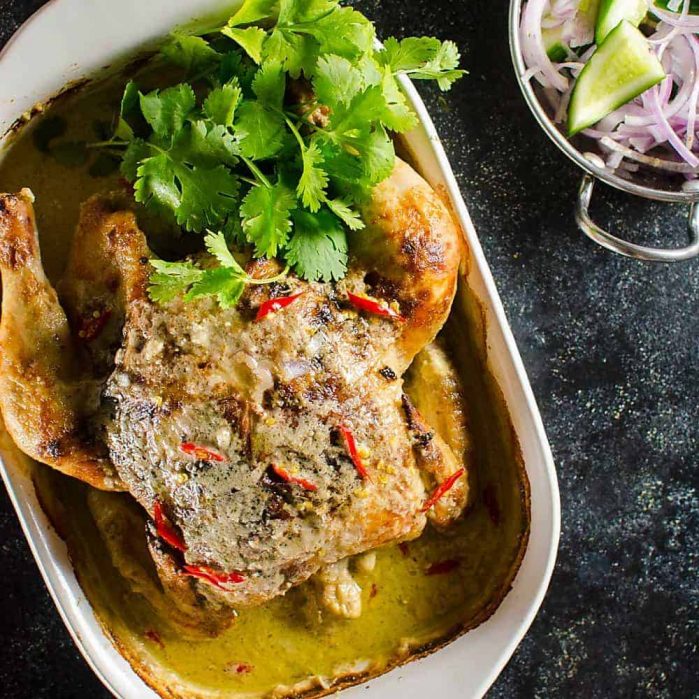
8. Meatball curry
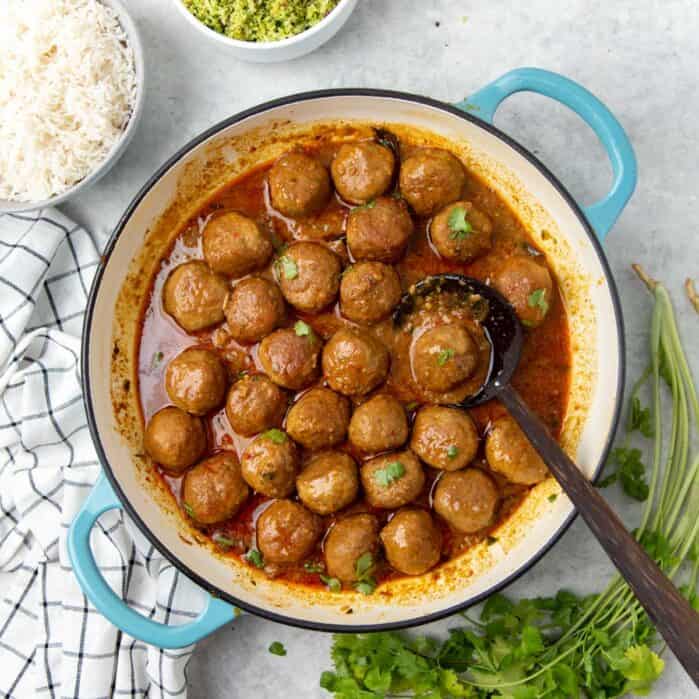
9. Black pork curry

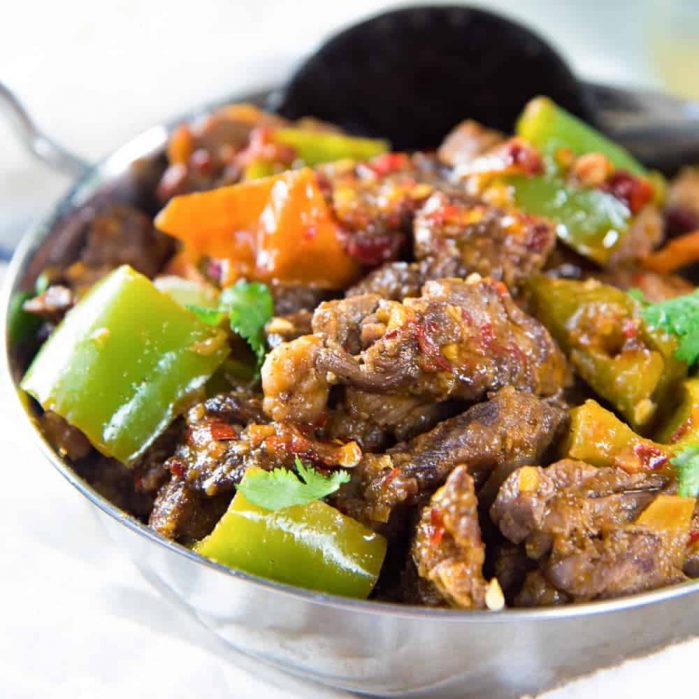
10. Spicy dry beef curry
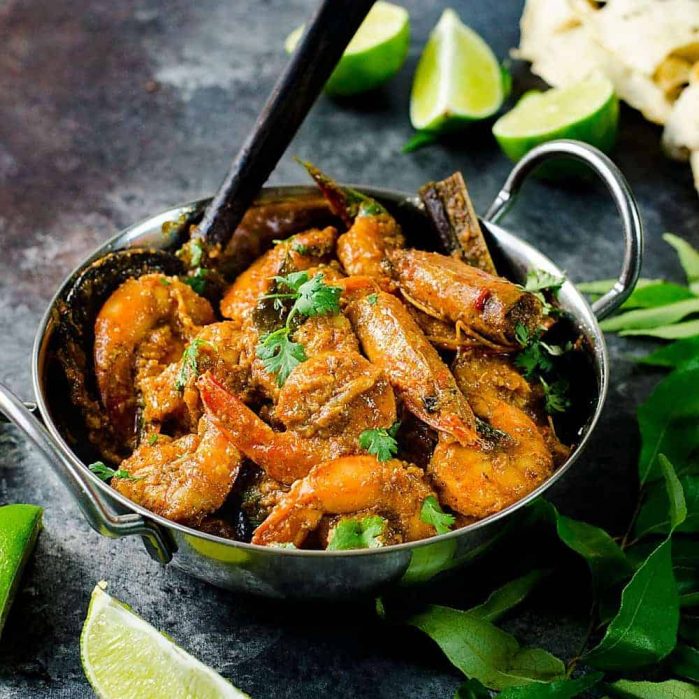
11. Shrimp curry
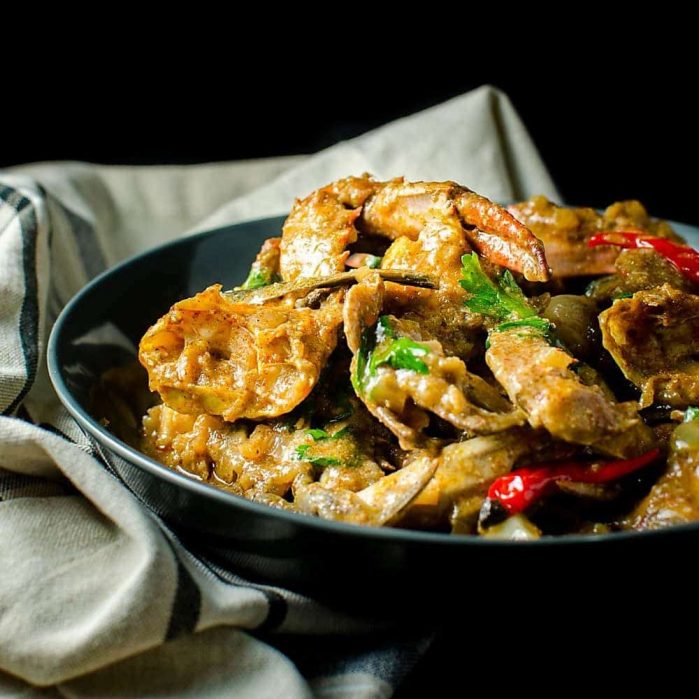
12. Crab curry
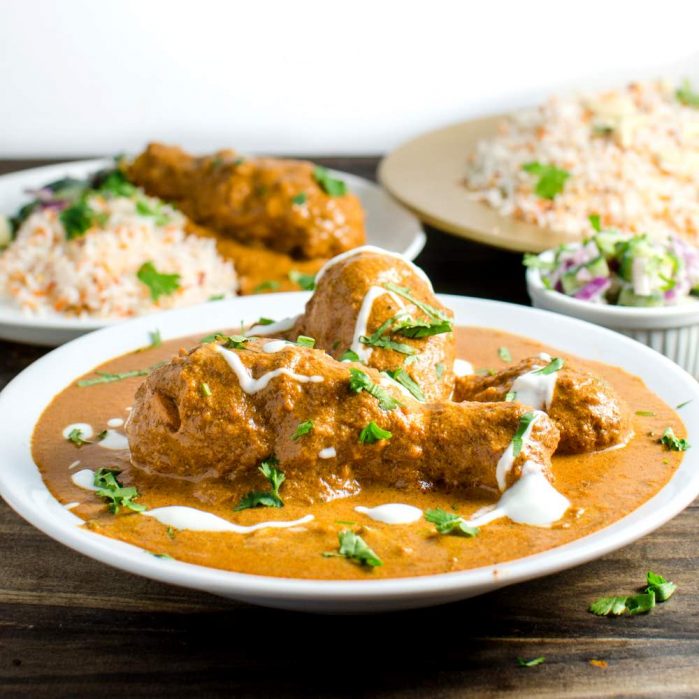
13. Butter chicken
Vegan curries
Vegetable curries are such an underrated way to transform veggies and turn them into kid-friendly dishes! As kids, we were picky about eating carrots, pumpkin, cauliflower, beetroot etc., until they were cooked as curries.
To this day, beetroot curry with that sweet, earthy flavor and striking color makes me so happy and excited to eat it!
Even fruits such as sour green apples and underripe mangoes make such flavorful vegan curries – you’d be so surprised!
14. Red lentil curry

15. Mushroom curry

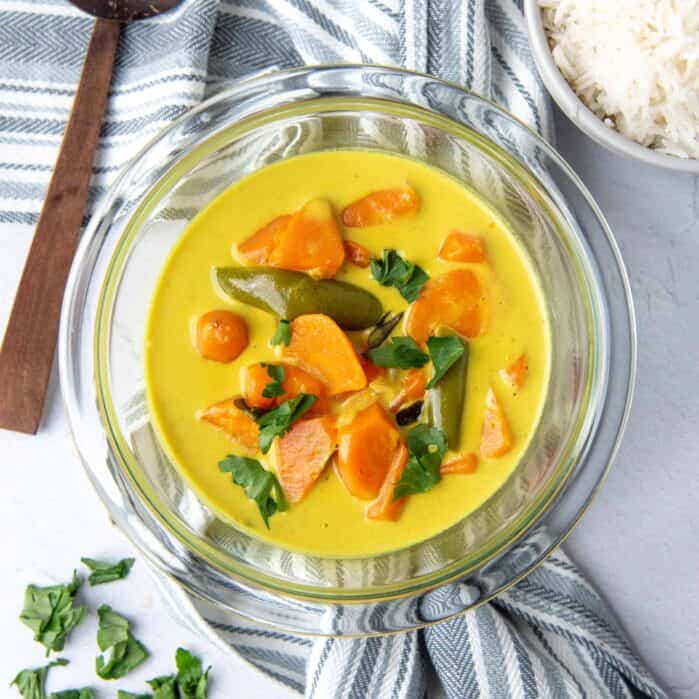
16. Carrot curry
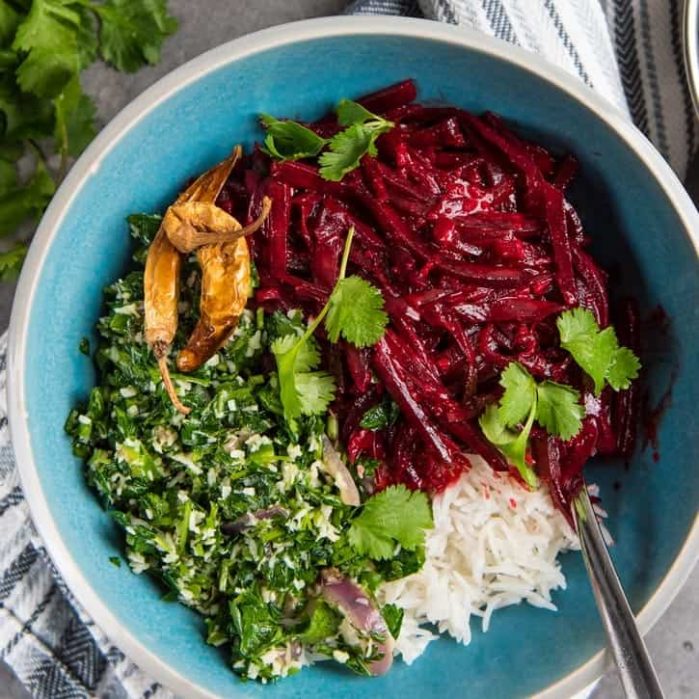
17. Beetroot curry
18. Mango curry
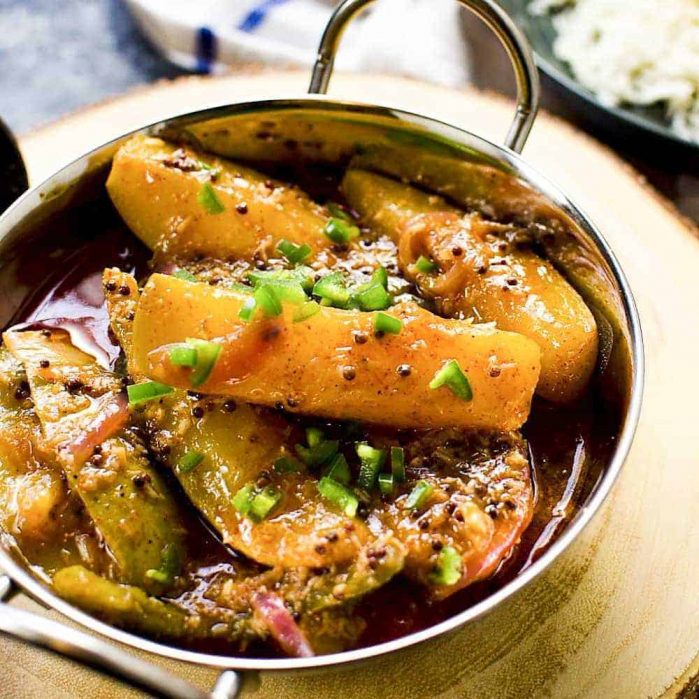
19. Apple curry

20. Cashew curry

21. Pumpkin curry
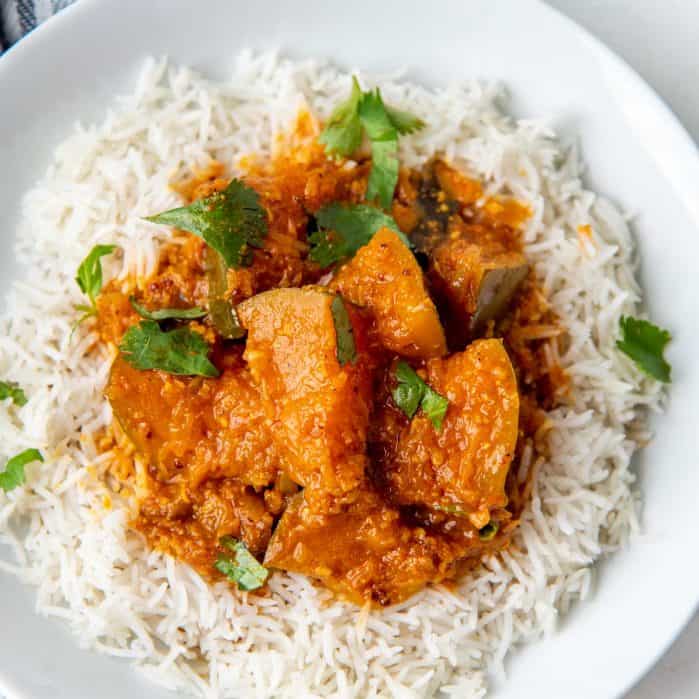
22. Jackfruit curry
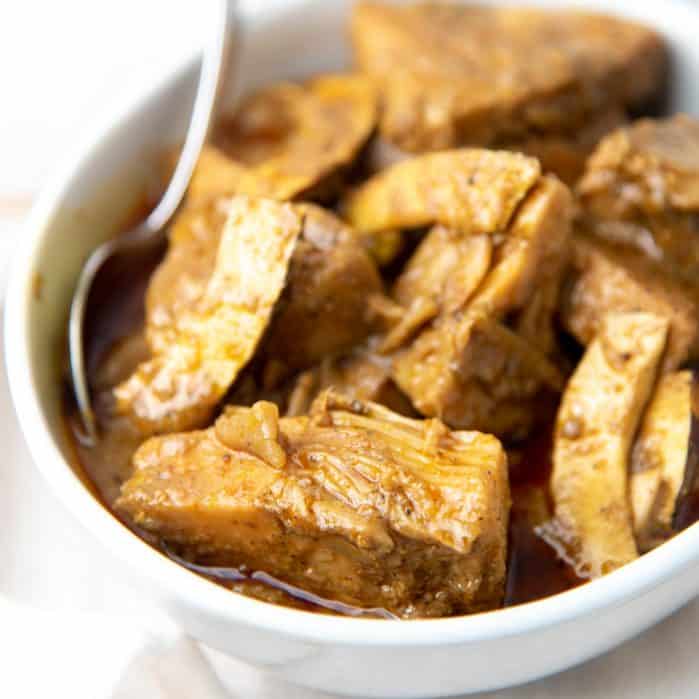
23. Green bean stir fry
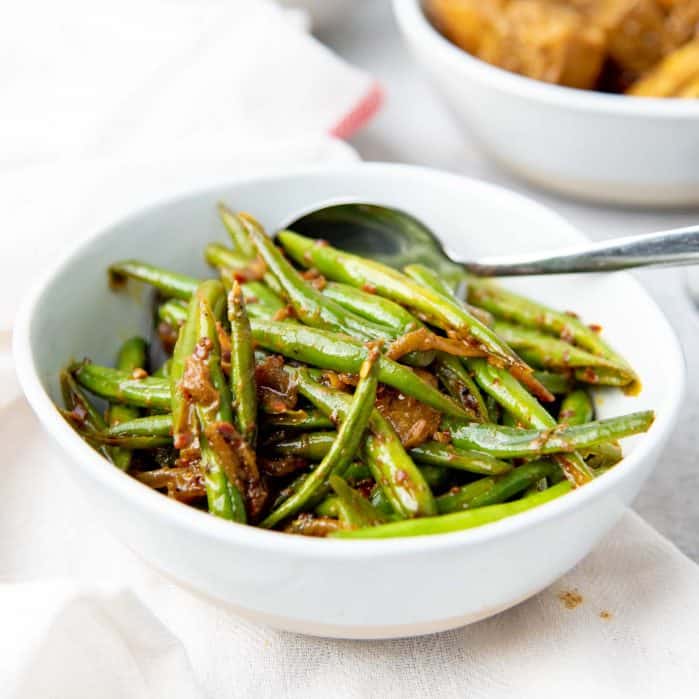
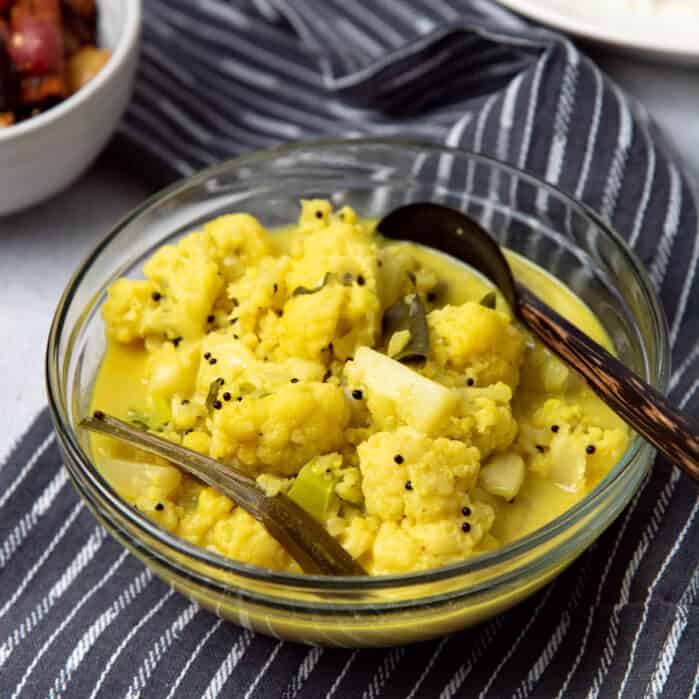
24. Cauliflower curry
25. Curry yogurt dip

What to serve with curry
- Rice – My favorite way to eat curry is with rice. It’s also important to choose the right type of rice to go with the curry. There are MANY types of rice available of course, but for curries, I would recommend, Basmati rice – Great for any South Asian curry. Jasmine rice – For most South East / East Asian curries.
- Bread – Breads like naan are well known to be served with curry. But you can also eat curry with regular bread like white bread . As kids, we found it so comforting to soak up bread with red lentil curry or meat curry gravy and eat it.
- Flatbreads – Types of bread made without yeast. This includes roti. Such as Sri Lankan coconut roti , paratha, roti canai , chapati, godhamba, poori etc.
- Dosa – Fermented batter cooked like a crepe. Super delicious and perfect with curry!
Storage tips
Fridge
Curries can generally be stored in the fridge for about 5 days in an airtight container . But make sure to avoid the following so that the curry doesn’t spoil faster.
- Do not keep the curry at room temperature for long periods of time.
- Do not regularly take it in and out of the fridge.
- Avoid using soiled spoons to remove curry from the container.
- Absolutely NEVER reheat and refrigerate leftovers multiple times.
To make sure the curry lasts longer in the fridge,
- Store the curry in smaller portions (1 – 2 days worth in each portion). This way, the unused portions will stay cold and food-safe until you use it. You could even store some in the freezer, as smaller portions will thaw out in the fridge within a day.
- Do not wait until the curry is at room temperature before storing it in the fridge. Modern day fridges are able to handle warm food. So make sure to store the curry in the fridge within a couple of hours.
Freezer
Store the curry in separate portions in the freezer for up to 3 months .
I like to split curries into smaller portions that contain 1 – 2 days worth of curry. Then place them in freezer-friendly containers and store separately.
Mix and match meal-prepping tips
I’m not a big fan of serving full meals into containers and freezing. I prefer to make a variety of different sides and then mix and match them when I put together my meals!
It’s kind of like ingredient prepping, but with meat and veggie sides.
I’ll make a curry with my favorite protein, like my chicken curry or mutton curry. Then split the curry into individual portions. Each portion is then frozen in separate reusable silicone freezer bags or containers.
Then I’ll also make a veggie curry or a red lentil curry and do the same thing. We even do the same with rice. Cook the rice, portion it, and freeze separately.
When you’re ready to eat / serve, just take a portion of each curry and rice and reheat. And if you make a few different curries, you can mix and match them on different days, depending on how you feel!
